Vietnam's National Flower Is the Lotus (Hoa Sen) — Meaning & Iconic Vietnamese Flowers
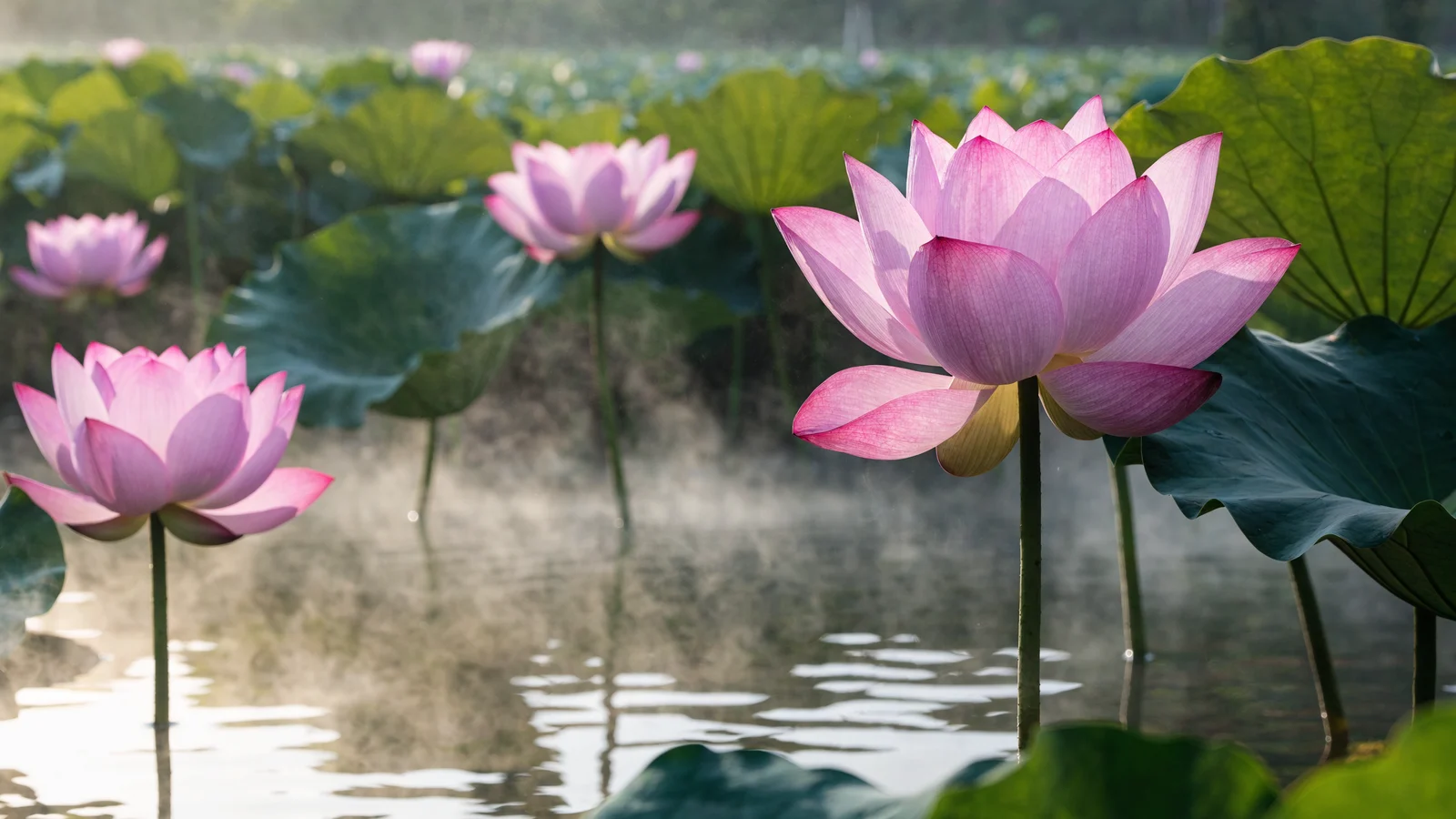
If you had to pick one flower to symbolize Vietnam, many would think instantly of the lotus (Hoa Sen). From Vietnam Airlines’ golden lotus logo to temples, paintings, poems and songs, and even the dinner table, the lotus blooms throughout Vietnamese life. But is the lotus really Vietnam’s “national flower”? Today we’ll walk through the lotus’s meaning, its everyday uses, when and where it blooms, and the other flowers that represent Vietnam.
Is the lotus Vietnam’s “national flower”
To put it plainly, Vietnam has never officially designated a national flower by law. However, in 2011, when the Ministry of Culture, Sports and Tourism ran a public survey to select one, about 82% of respondents backed the lotus. It never became a legally binding decision, but in the hearts of Vietnamese people, the lotus has long been the national flower.
Vietnam Airlines sealed this. In 2002, the national carrier adopted the golden lotus as its official logo, spreading the image of the lotus as Vietnam’s symbolic flower around the world. To this day, the lotus is the first flower that comes to mind at the mention of Vietnam. You can read the background in Vinpearl’s feature on Vietnam’s national flower.
What the lotus means
There are clear reasons the lotus came to symbolize Vietnam.
- Nobility rising from the mud — blooming pure and beautiful without being stained by muddy water resembles the Vietnamese spirit of keeping one’s essence through adversity.
- Purity and integrity — under Confucian influence, it symbolizes a clear, upright heart and unshakable principle.
- Enlightenment and serenity — in Vietnam, where Buddhism runs deep, the lotus means enlightenment and purity, found throughout temples and Buddha statues.
- Strong vitality — its persistence in harsh conditions naturally overlaps with Vietnam’s history of overcoming foreign trials.
In this way, the lotus is not merely a pretty flower but a mirror in which Vietnamese people see themselves.
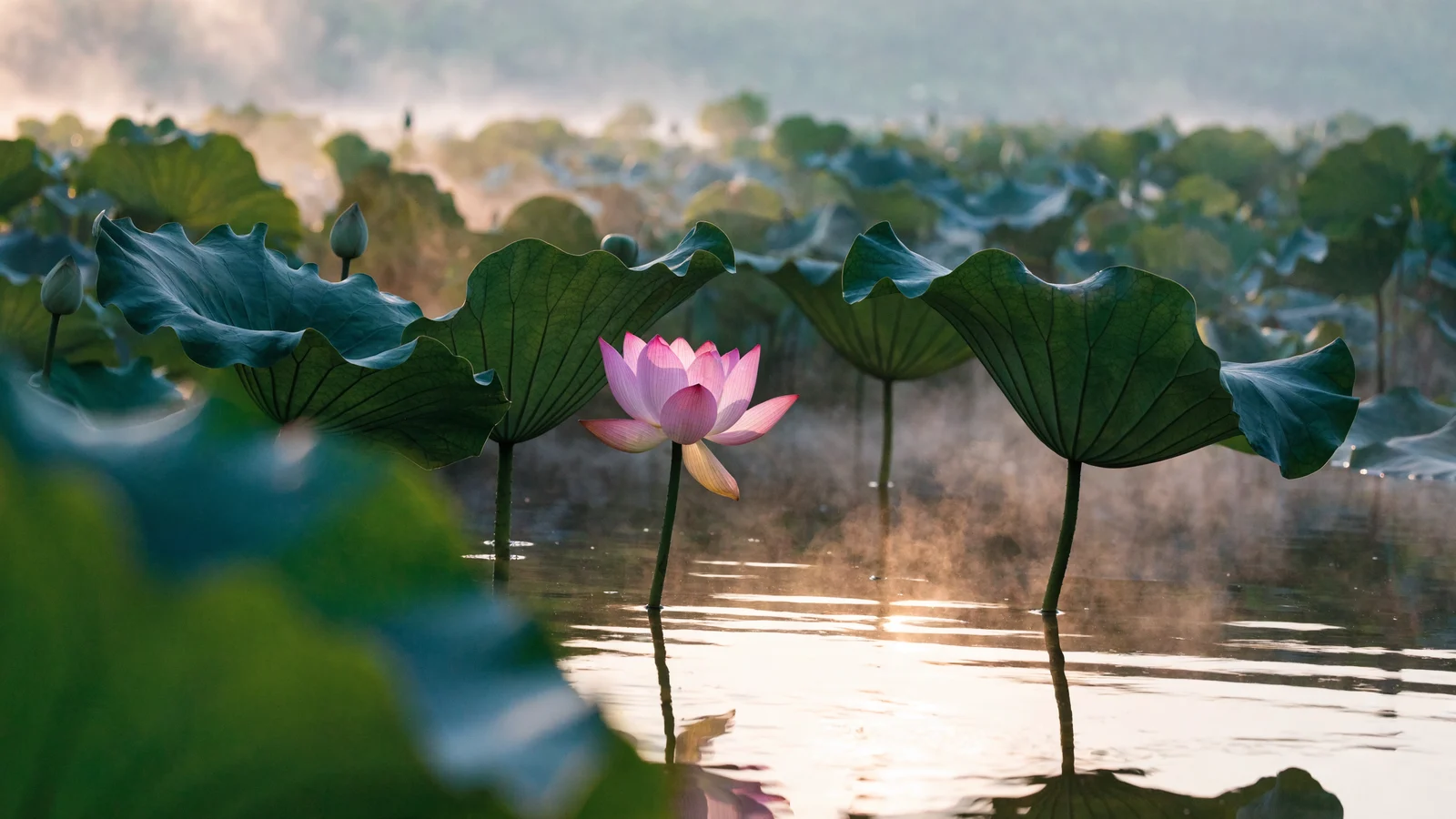 A pink lotus blooming over a pond at dawn — rising pure from the mud, symbolizing the Vietnamese spirit
The lotus in daily life — food and medicine
Another reason the lotus is special is that it goes beyond ornament and deep into daily life. In Vietnam, almost nothing of the lotus goes to waste — from petals and leaves to stems, roots, and seeds.
- Lotus tea (Trà Sen) — a signature traditional tea infused with lotus scent, served to honored guests. Lotuses from Hanoi’s West Lake (Hồ Tây) have a deep fragrance, prized as the finest material for lotus tea.
- Lotus-leaf rice (Cơm Lá Sen) — rice and ingredients wrapped in a lotus leaf and steamed to absorb its scent, with a lovely subtle aroma.
- Lotus seeds — used in the traditional dessert chè, jams, and holiday treats.
- Lotus root — steamed, tossed in salads, or in soups, and used as medicine too.
In traditional medicine, the lotus is considered a precious remedy. Lotus seeds are said to boost stamina and ease sleeplessness, while the root is used for calming and stopping bleeding. Since nothing from stamen to root is wasted, farmers even call it “the most precious plant that knows gratitude.” On top of this, the lotus is a recurring motif in áo dài patterns, ceramics, paintings, and folk songs — to Vietnamese people, the lotus is a flower to behold, drink, eat, and sing.
When and where to see the lotus
The lotus usually begins blooming in early summer. In the north it peaks around the 5th–7th lunar months, when the ponds along Hanoi’s West Lake turn pink with lotus. Meanwhile, in warm places like Đồng Tháp in the south, you can find beautiful lotus fields nearly year-round. When the lotus is in full bloom, taking photos in an áo dài by a lotus field is one of Vietnam’s beloved summer scenes.
Iconic Vietnamese flowers alongside the lotus
Beyond the lotus, Vietnam has flowers that represent the seasons and regions.
- Apricot blossom (Hoa Mai) — the yellow flower symbolizing Tet in the south, meaning prosperity and luck.
- Peach blossom (Hoa Đào) — the pink flower symbolizing Tet in the north, conveying peace and happiness.
- Chrysanthemum (Hoa Cúc) — symbolizing longevity and virtue, fitting for ancestral rites and an elder’s birthday.
For an overview of Vietnamese flowers and their meanings by color, see Vietnamese flowers and their meanings; for etiquette when giving flowers, see Flower-gifting etiquette in Vietnam.
Is the lotus good as a gift
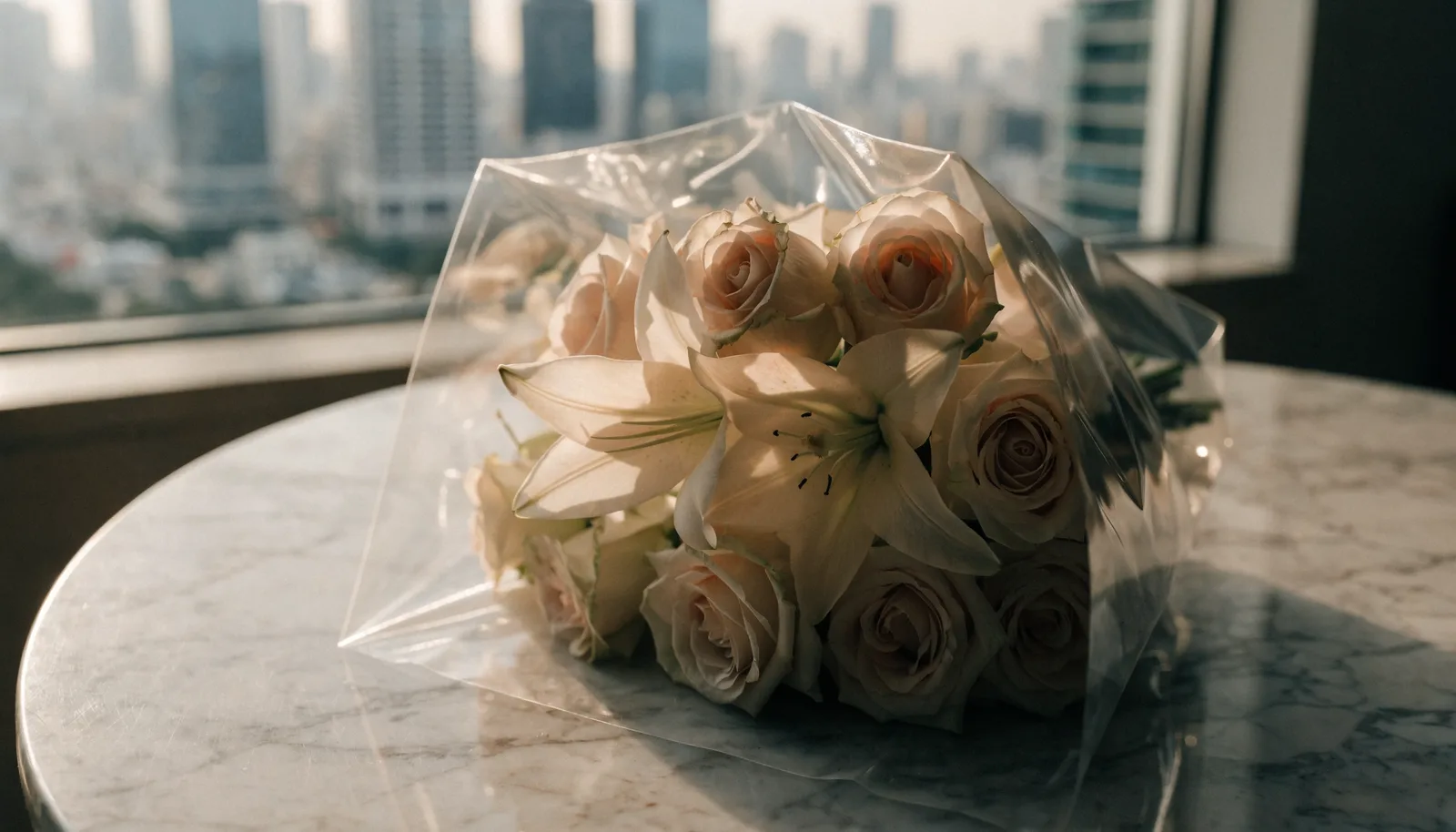
Symbolizing nobility and sincerity, the lotus suits occasions of gratitude and celebration well. However, fresh lotus is seasonal and hard to find year-round. So in seasons when sending fresh lotus is difficult, conveying your heart with a flower of similar “pure and noble” meaning — like lilies or white roses — is a good alternative. Tell us the recipient and occasion, and we’ll recommend a flower that fits the meaning.
Frequently Asked Questions
Q. Is the lotus Vietnam’s official national flower? A. Not one designated by law. But it won overwhelming support in a 2011 survey and is used as Vietnam Airlines’ logo, so it’s considered the national flower in practice.
Q. What does the lotus symbolize? A. The nobility and purity of blooming clear from the mud, the enlightenment of Buddhism, and a strong vitality that overcomes adversity.
Q. What is lotus tea (Trà Sen)? A. A traditional Vietnamese tea infused with lotus scent; the kind made with West Lake lotus in Hanoi is considered the finest, served to honored guests.
Q. When is the lotus most beautiful? A. It usually peaks in early summer (around the 5th–7th lunar months in the north). Hanoi’s West Lake and Đồng Tháp in the south are famous lotus spots.
Q. Can I send a lotus as a gift? A. Of course. It conveys nobility and sincerity, suiting gratitude and celebration. But fresh lotus is seasonal, so depending on the timing we may suggest a flower of similar meaning.
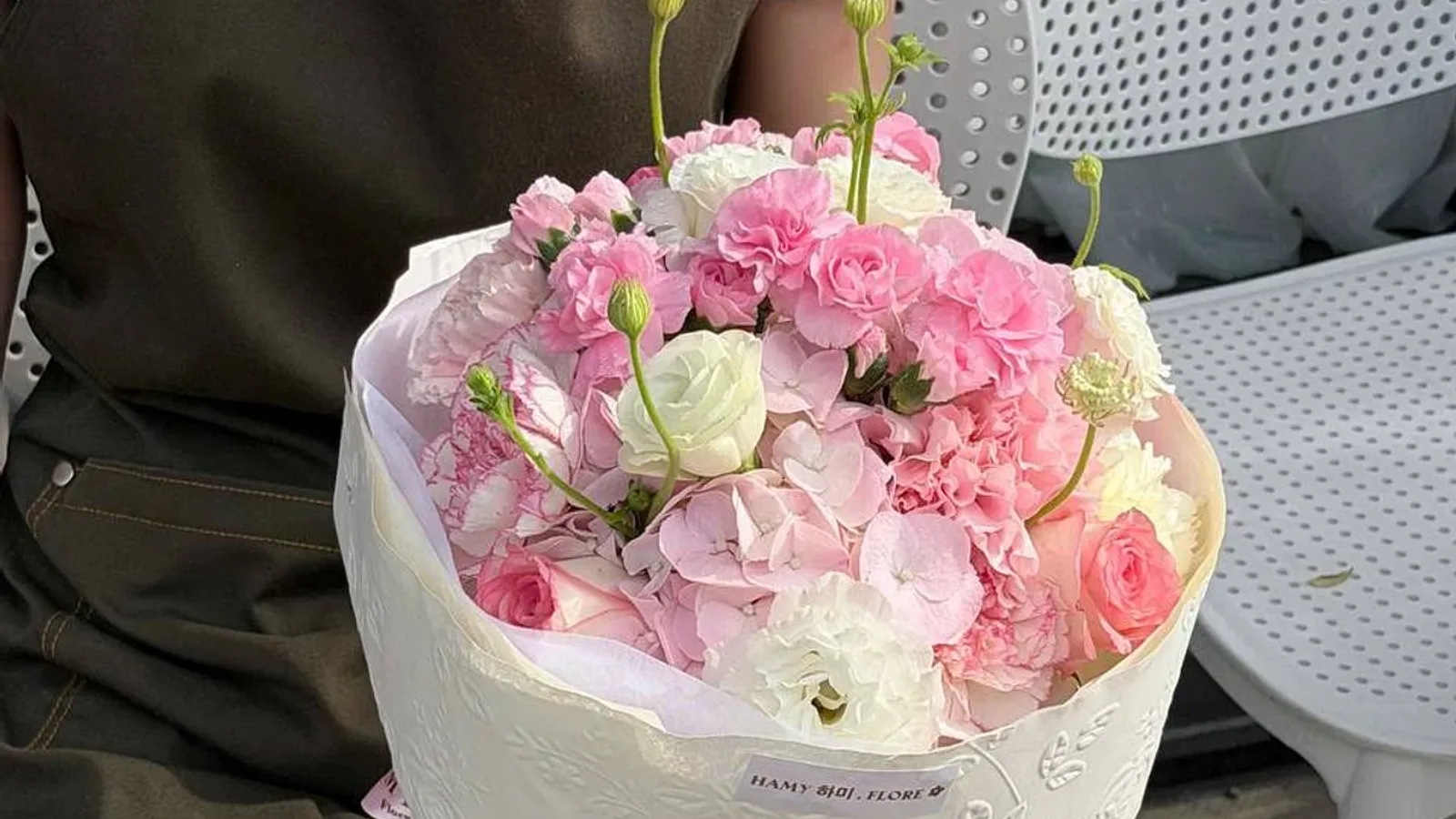
Would you like to convey your heart with a meaningful flower like the lotus? Tell us the occasion and HAMYFLORE will recommend the flower that fits the meaning. With same-day delivery in central Ho Chi Minh City, convey it at its freshest. Browse our products to pick the right flowers first.
HCMC Flower Delivery, HAMYFLORE
We deliver your heart as fresh as possible. Feel free to reach us on Zalo or Telegram.